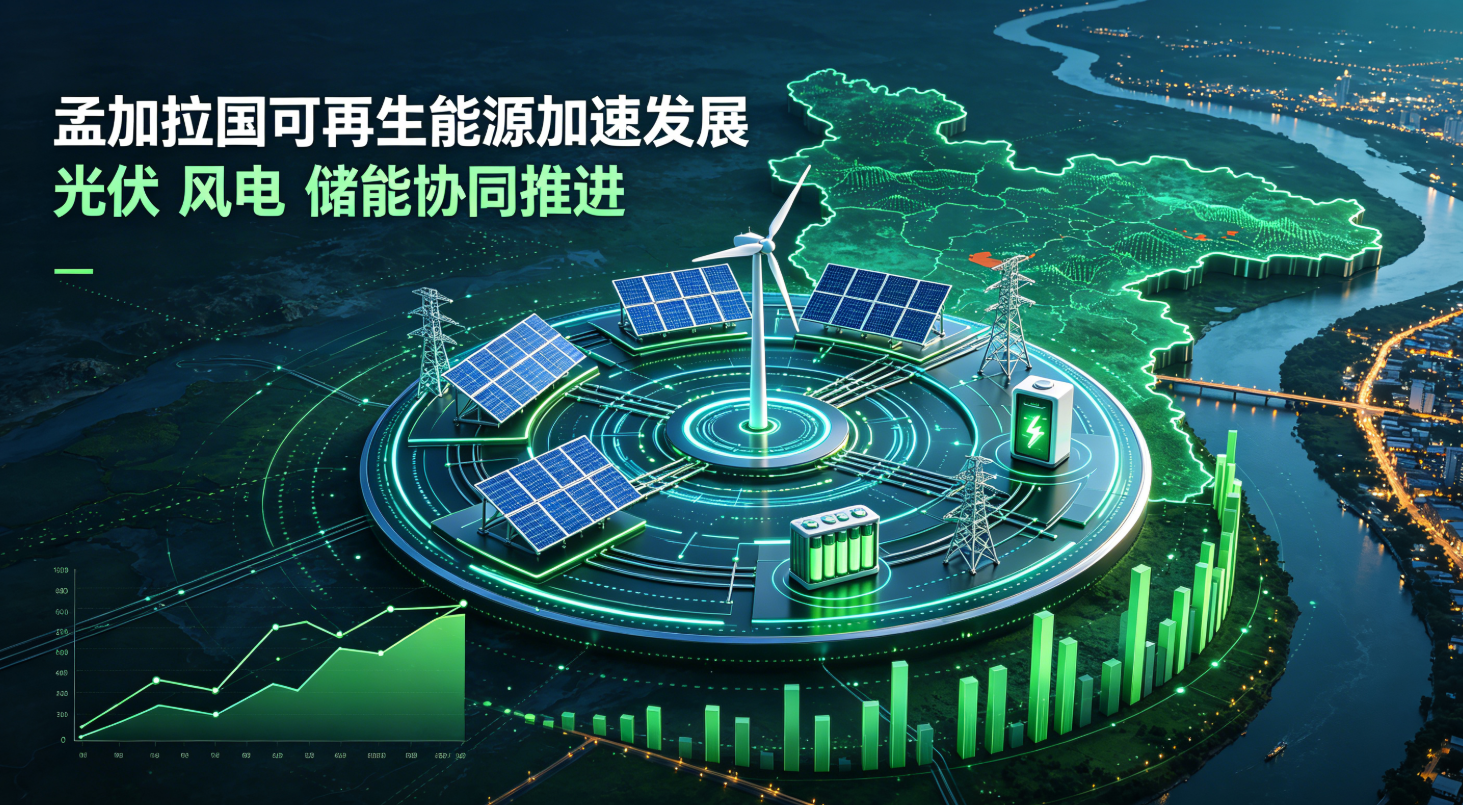
Bangladesh’s New Budget Signals a Stronger Push Toward Renewable Energy
Keywords: Bangladesh, renewable energy, solar power, tax incentives, energy transition, electric mobility, grid stability, green finance, foreign cooperation
Introduction
Bangladesh has unveiled its 2026–2027 national budget, and one of its most notable features is a sweeping package of incentives for renewable energy. The new measures are more than a fiscal adjustment: they reflect a strategic decision to accelerate the country’s transition away from heavy dependence on fossil fuels and toward a more resilient, low-carbon energy system. In a national context shaped by rising import costs, fuel insecurity, and growing electricity demand, the budget sends a clear signal that clean energy is moving from the periphery of policy to the center of development planning.
Fiscal Measures to Lower Clean Energy Costs
The budget introduces broad tax exemptions for key components in solar power generation, including solar inverters, battery storage systems, lithium-ion batteries, and photovoltaic modules. These products will be exempt from import duties, regulatory taxes, supplementary duties, and advance taxes, substantially reducing the upfront cost of clean energy deployment. In addition, raw materials used in environmentally friendly lithium-ion and sodium-ion batteries will enjoy duty-free treatment until June 30, 2030.
The package also extends tax concessions for electric buses and trucks through 2030. For electric vehicles valued at USD 25,000 or less, the overall tax burden will fall from 93% to 64%. Charging equipment, including chargers and station infrastructure, will be fully exempt from taxes. The solar sector itself will continue to benefit from a zero corporate income tax rate until 2035, while ordinary consumers using solar electricity will receive a 5% reduction in electricity-related taxes.
According to preliminary estimates, these measures could reduce the cost of photovoltaic power generation by 25% to 30%, significantly improving the economic viability of solar projects. That cost reduction is especially important in a market where financing costs, imported equipment, and land constraints have often slowed project deployment.
Why Energy Transition Matters for Bangladesh
Bangladesh’s electricity sector has long relied overwhelmingly on fossil fuels. Natural gas, coal, and oil account for nearly 98% of national electricity generation. This concentration has made the country vulnerable to international price volatility and domestic fuel shortages, both of which can threaten energy security and economic stability. As industrialization accelerates and urban demand continues to rise, the limitations of a fossil-fuel-centered power system have become increasingly apparent.
Against this backdrop, renewable energy is no longer simply an environmental preference; it is a practical necessity. Bangladesh has already set ambitious medium- and long-term targets: renewable energy is expected to meet 20% of national electricity demand by 2030 and 30% by 2040. These goals reflect a broader effort to diversify the energy mix, stabilize supply, and support sustainable growth across manufacturing, transport, and household consumption.
Official data show that Bangladesh currently has 1,781.09 megawatts of installed renewable capacity. Another 26 renewable energy plants, with a combined design capacity of 1,172 megawatts, are under construction. In addition, 15 projects are in the tendering stage, indicating that the clean energy pipeline is steadily expanding. The budget incentives are therefore likely to accelerate an already visible trend rather than initiate one from scratch.
Policy Reform, Market Confidence, and Financing Support
Fiscal support alone cannot transform an energy system, but it can create the conditions for broader reform. Bangladesh is now working to strengthen its renewable energy policy framework to match the new incentives. The Ministry of Power, Energy and Mineral Resources has said that the government has formed a dedicated committee to advance renewable energy policy development and has begun easing regulatory barriers for solar sector imports and battery storage deployment.
This policy shift matters because investor confidence depends not only on tax breaks but also on predictable rules, efficient approvals, and reliable infrastructure. By lowering regulatory friction and improving import access for critical technologies, Dhaka is signaling that it intends to build a more supportive ecosystem for clean energy investment.
Financial institutions are also contributing to this transition. In November 2025, the Asian Infrastructure Investment Bank and the New Development Bank jointly extended USD 75 million in loans to Bangladesh to support renewable energy development, energy efficiency, and electric transport upgrades. Earlier in June, Bangladesh’s central bank launched a BDT 10 billion green refinancing program to provide low-cost financing for green industries and environmentally friendly factories. Together, these mechanisms help address one of the biggest constraints facing the sector: access to affordable capital.
International Cooperation and China’s Role
Bangladesh’s renewable energy expansion has also benefited from international cooperation, particularly with China. Chinese companies have become important partners in the country’s energy transition, especially in solar and wind power. In July 2025, China Power Construction Corporation connected the 64-megawatt Pabna solar power project to the grid at full capacity, generating about 110 million kilowatt-hours of green electricity annually. The project not only supports power supply but also demonstrates the scalability of utility-scale solar in Bangladesh’s market.
Another landmark project is the Cox’s Bazar wind farm, Bangladesh’s first centralized wind power project, built by a Chinese enterprise. With an installed capacity of 66 megawatts, it has been generating electricity since October 2023 and produces around 145 million kilowatt-hours per year, enough to supply roughly 100,000 households. These projects show that foreign partnerships can translate policy ambition into operational capacity, especially when technology transfer, engineering expertise, and project finance are aligned.
Conclusion
Bangladesh’s 2026–2027 budget marks a turning point in the country’s energy strategy. By combining tax relief, regulatory easing, financing support, and international cooperation, the government is creating a more favorable environment for renewable energy growth. The immediate impact may be lower costs and faster project execution, but the broader significance lies in the transformation of Bangladesh’s development model.
If implemented effectively, the new incentives can help the country reduce dependence on imported fossil fuels, improve energy security, and foster greener industrial and transport systems. For Bangladesh, the shift toward renewable energy is no longer a distant aspiration. It is becoming an essential pathway to economic resilience, environmental sustainability, and long-term growth.